

Beyond Weight Loss: |
1st, it allows clinicians to distinguish between fat mass and lean mass changes, which is critical given that a proportion of GLP-1–induced weight loss can come from fat-free mass; This supports the preservation of lean body mass while enabling targeted nutritional and exercise interventions to effectively prevent muscle loss. 2nd, BIS (BIA) enables monitoring of hydration and fluid distribution, including intracellular and extracellular water, which is particularly relevant as reduced appetite and intake during GLP-1 treatment may alter hydration status and confound scale-based interpretations. 3rd, it facilitates more precise and individualized care by offering objective body composition data that can guide nutrition prescriptions, contextualize pharmacotherapy outcomes, and improve patient engagement and adherence. |  |
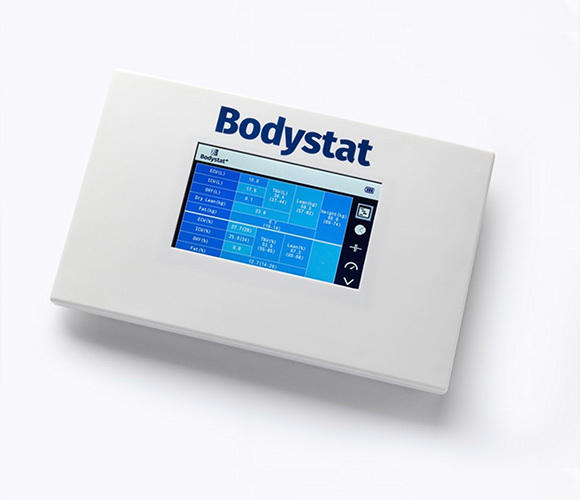
BIS vs Conventional BIA: A New Clinical StandardOverall, in the context of rapidly evolving pharmacological obesity treatment, Bioimpedance Spectroscopy ensures that weight loss is interpreted and managed in a way that prioritizes metabolic health, not just reductions on the scale. When addressing Bioimpedance Spectroscopy (BIS) in the context of obesity, it is recommended to focus on a few key differentiators: BI Spectroscopy represents the most advanced form of bioimpedance analysis currently available, effectively distinguishing it from conventional BIA devices (1stgeneration technology), which rely on single- or multi-frequency approaches but lack the same level of compartmental precision. BIS has a significant precision in fluid fluctuations. A central advantage of BIS (Bodystat Multiscan 5000), is the ability to accurately differentiate between fluid compartments - intracellular water (ICW), extracellular water (ECW), and total body water (TBW). This is clinically meaningful, particularly in obesity management, where shifts in fluid distribution often reflect underlying changes in tissue quality. Furthermore, BIS underlines the strong relationship between ICW and muscle mass. ICW serves as a proxy for metabolically active tissue, and reductions in ICW are indicative of muscle loss. This becomes especially relevant in the current therapeutic landscape. In addition, BIS (Bodystat Multiscan 5000), provides access to Body Cell Mass (BCM), a key parameter that allows for a more precise distinction between metabolically active tissue and non-active components. This adds another layer of clinical insight beyond standard body composition metrics. |
 | From Weight Loss to |